

If you have spent more than ten minutes shopping for a leather bag online, you have read the words "full-grain leather" so many times they have stopped meaning anything. Here is what they actually mean.
The hide has three layers
A cow hide, before it is anything else, is roughly three layers thick. The outermost layer, the part that faced the world while the animal was alive, is called the grain. It is the densest, tightest, most fibrous part of the hide. It carries the natural pores, the small scars, the bug bites, the tonal variation that comes from a creature having lived a real life. This is the layer luxury depends on.
Below the grain sits the corium, a thicker, looser, fibrous middle layer. Below that is the flesh layer, soft and unstable, which is split off and discarded or used for the cheapest goods.
What "full-grain" actually means
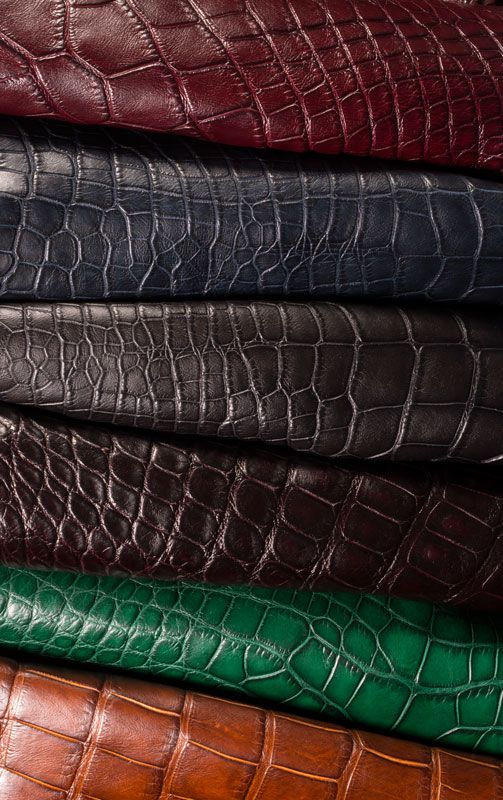
Full-grain leather is leather that includes the entire grain layer, untouched. Nothing has been sanded down. Nothing has been buffed off to remove imperfections. Nothing has been embossed back on to imitate a grain that was already there. The hide as the animal carried it, tanned and finished, but not corrected.
This is the strongest, most durable, most beautiful version of leather you can buy. It also patinas. It deepens. It absorbs the oil from your hands. It scratches and the scratches become part of it. A full-grain bag at year ten looks better than the same bag at year one, which is the entire point.
The marketing language that obscures all of this
Top-grain leather
Top-grain is full-grain that has been sanded. The top of the grain, with all of its pores and character, is removed to create a uniform surface. Then a synthetic finish is sprayed on. It feels smoother and looks more consistent at the moment of purchase. It does not patina. It eventually cracks instead of softening, because the protective grain is gone. About 80% of "leather" goods sold in malls are top-grain.
Genuine leather
The most successful misnomer in retail. "Genuine leather" is the lowest legal grade of real leather. It is typically made from the corium, the fibrous middle layer, sometimes with a synthetic finish embossed to mimic grain. It is real. It is leather. It will fall apart in three years.
Bonded leather
Leather scraps ground into a slurry, mixed with polyurethane, and pressed into sheets. The same relationship to leather that particle board has to oak.
Corrected-grain leather
Lower-grade hides whose surface defects are sanded off and then re-embossed with a fake grain pattern. Looks expensive in photos, ages poorly in person.
Full-grain is the only category where the leather is allowed to look like itself.
How to tell, in person, in under a minute
Hold the leather up to the light at an angle. If you can see small natural pores, slight tonal variation, the occasional fine scar or insect mark, you are likely holding full-grain. If the surface is uniformly smooth and almost printed-looking, with a perfectly repeating grain pattern, you are looking at corrected-grain or top-grain.
Press a fingernail gently into the surface. Full-grain leather will mark briefly and then resolve back. Heavily finished leathers either feel plastic and resist marking, or hold the indent permanently.
Smell it. Real full-grain has a vegetal, slightly tannic smell, especially if it was vegetable-tanned. Coated leathers smell faintly of solvent, or of nothing at all.
Why most brands do not use it
Full-grain hides are expensive. They are inconsistent because they include the natural variation of the animal, which means a brand cannot photograph one bag and ship a thousand identical copies. Every piece will have its own character. For brands optimising for catalogue uniformity and unit-economics, that is a problem. For a small house, it is the entire point.
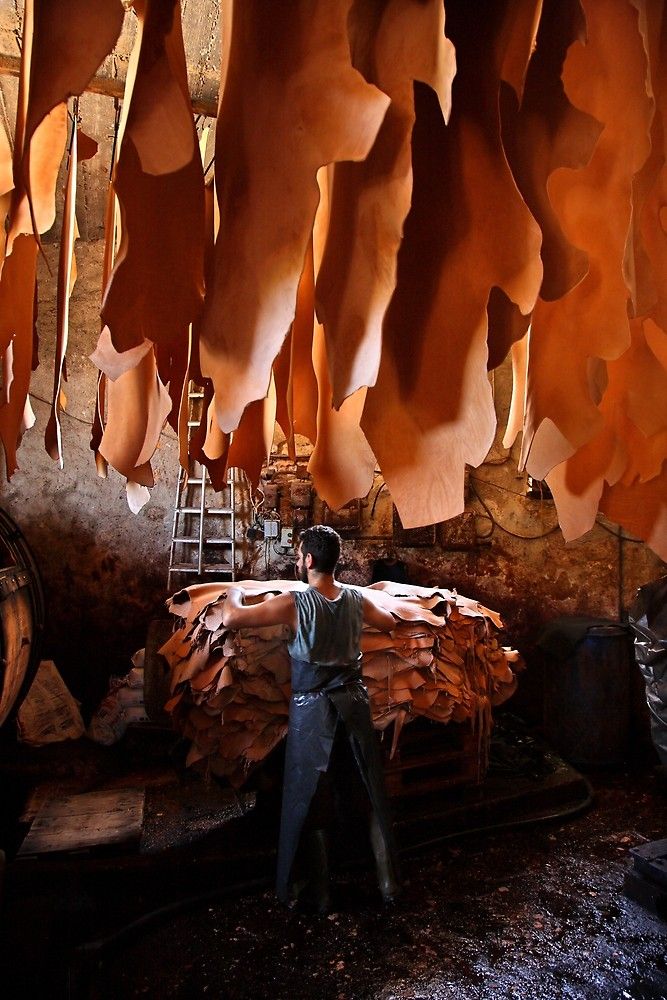
The other reason is that full-grain leather requires a tanner who knows what they are doing. The grain layer is unforgiving. A bad tannage shows. A good tannage takes weeks of slow chemistry. Most modern tanneries optimised for speed, not for finesse, decades ago. Finding a tannery that still does it the old way is the actual moat.
What I use, and why I say so
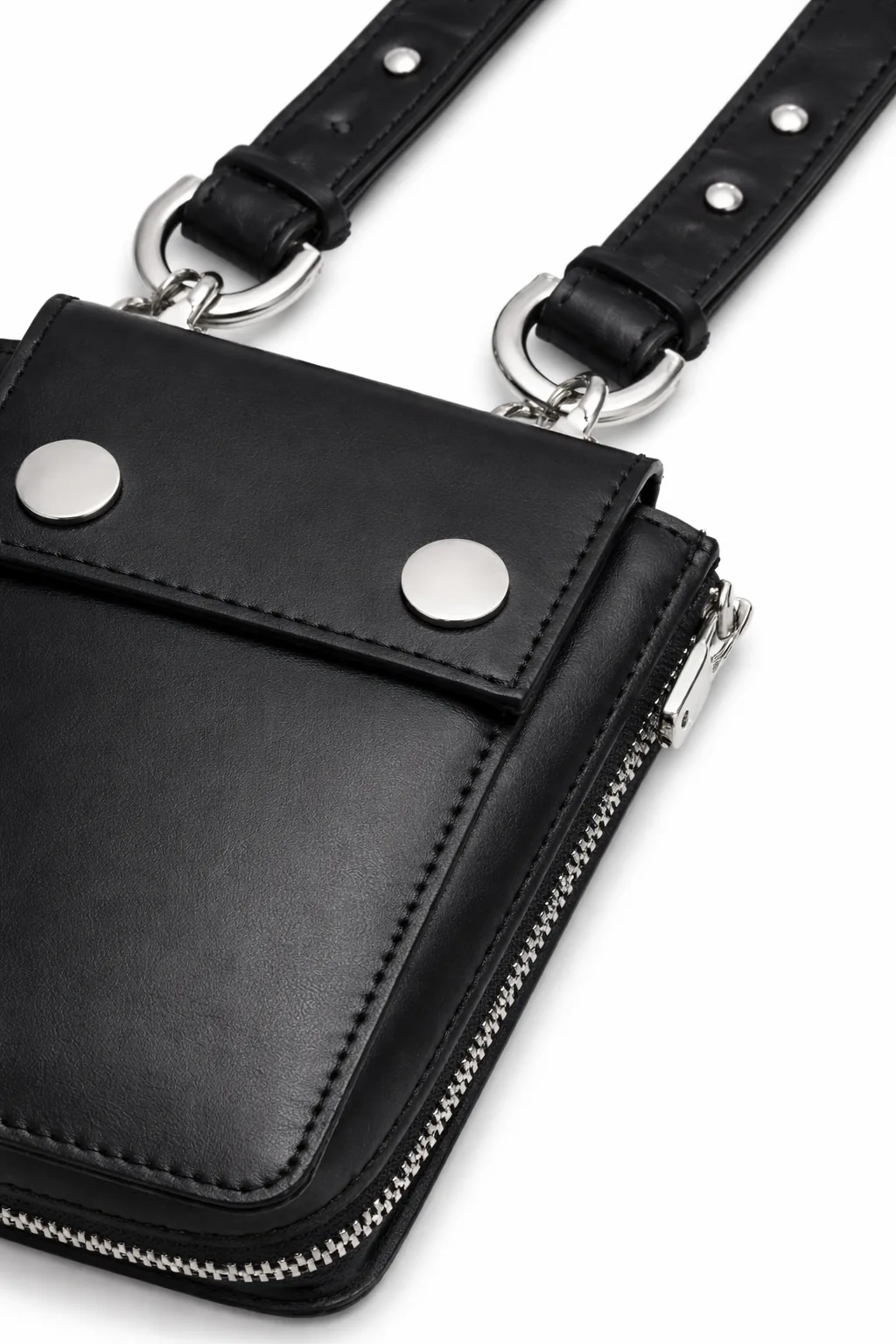
Every Goldy Brown leather piece is full-grain calfskin from the artisan tannery houses of South India, the same region whose hides have supplied European luxury houses for over a century. I do not use top-grain. I do not use corrected-grain. I do not blend in bonded leather for the lining or the trim. The pieces will mark, will deepen, will carry their first scratches forever, and will outlive the conversation about whether they were a good purchase.
If you want to read more about how that hide was tanned, see Vegetable tanning vs chrome tanning. If you want to read where it came from, see How South India became leather's quiet capital.
Full-grain calfskin. Worn, not carried.
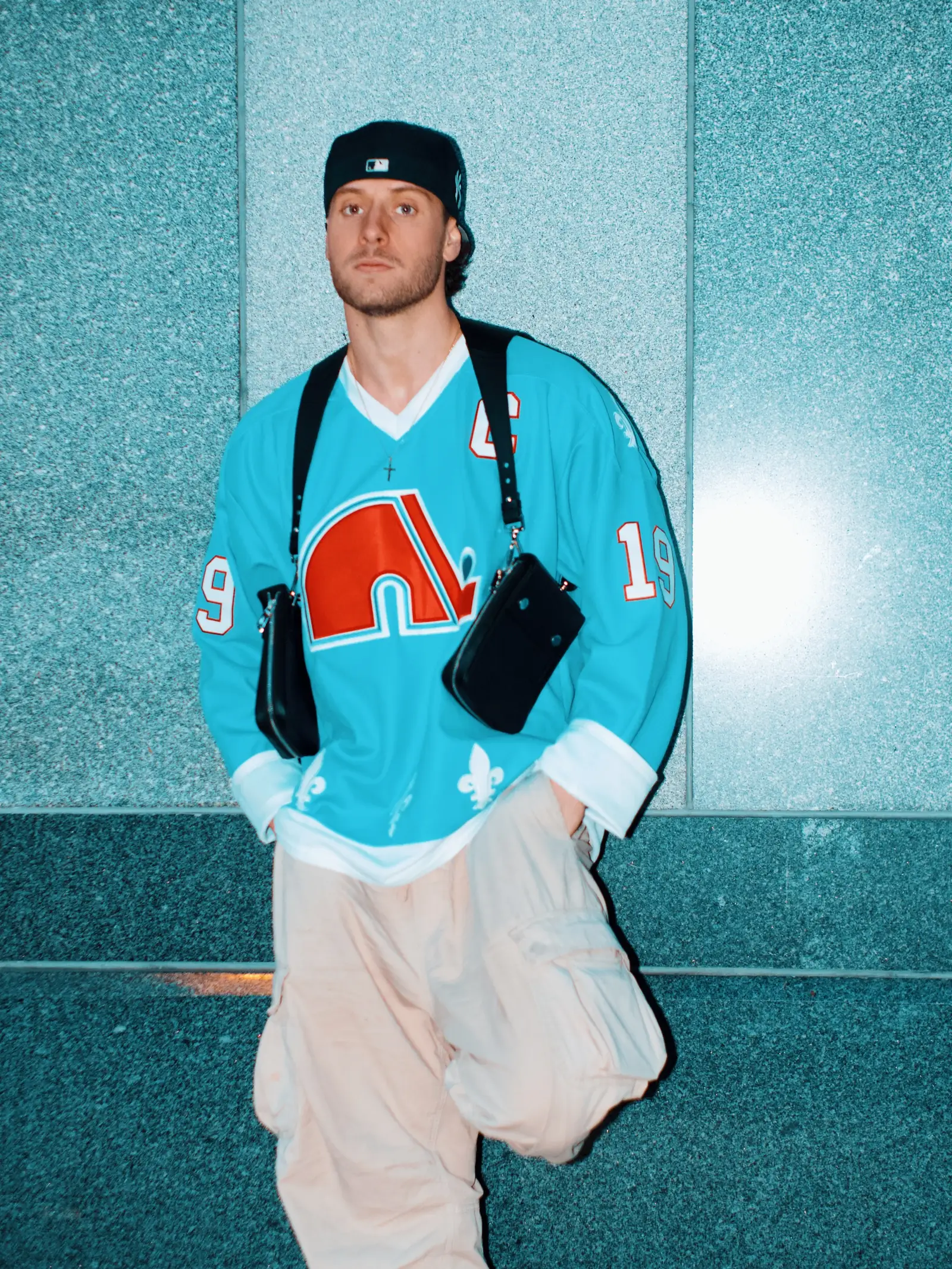
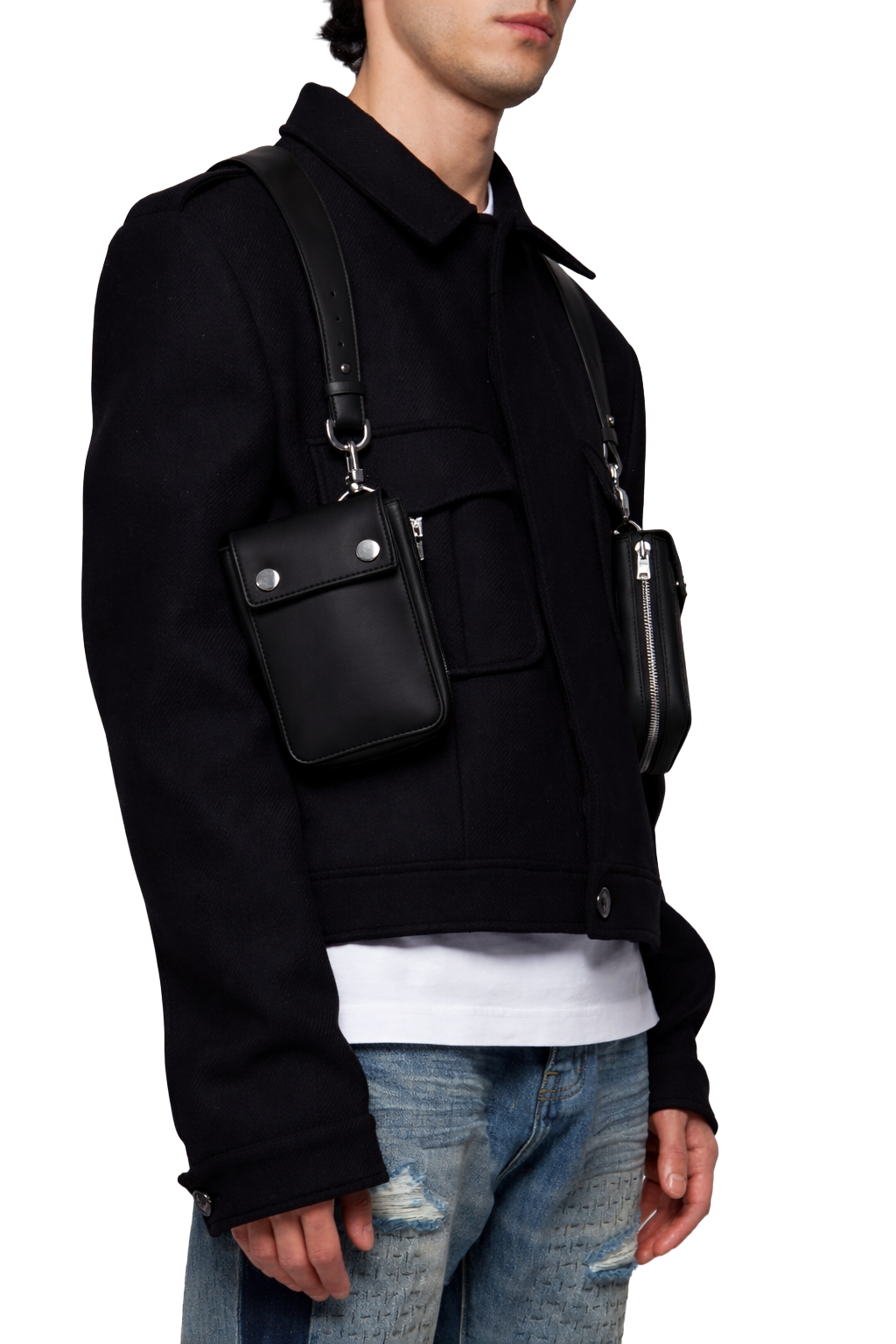
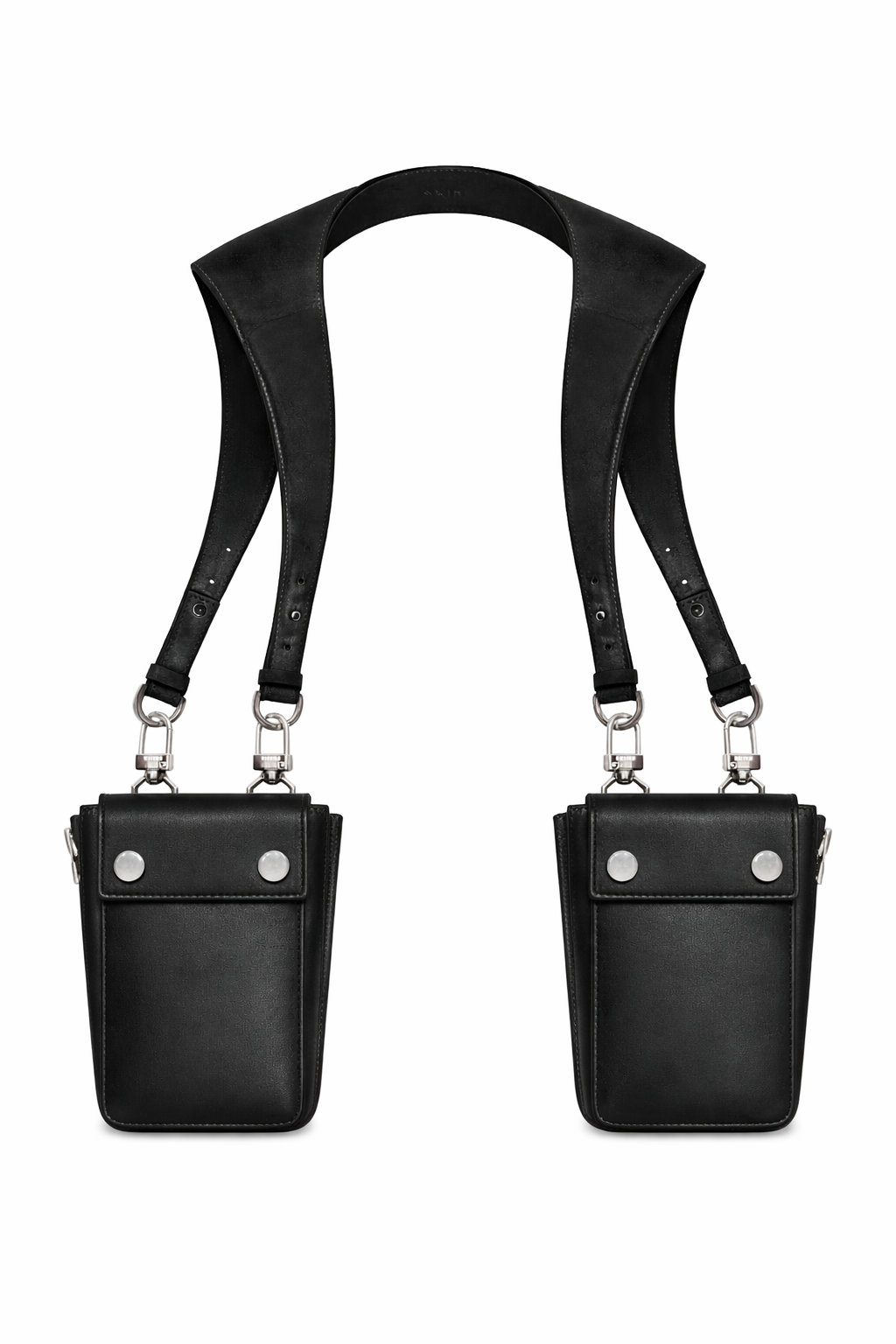
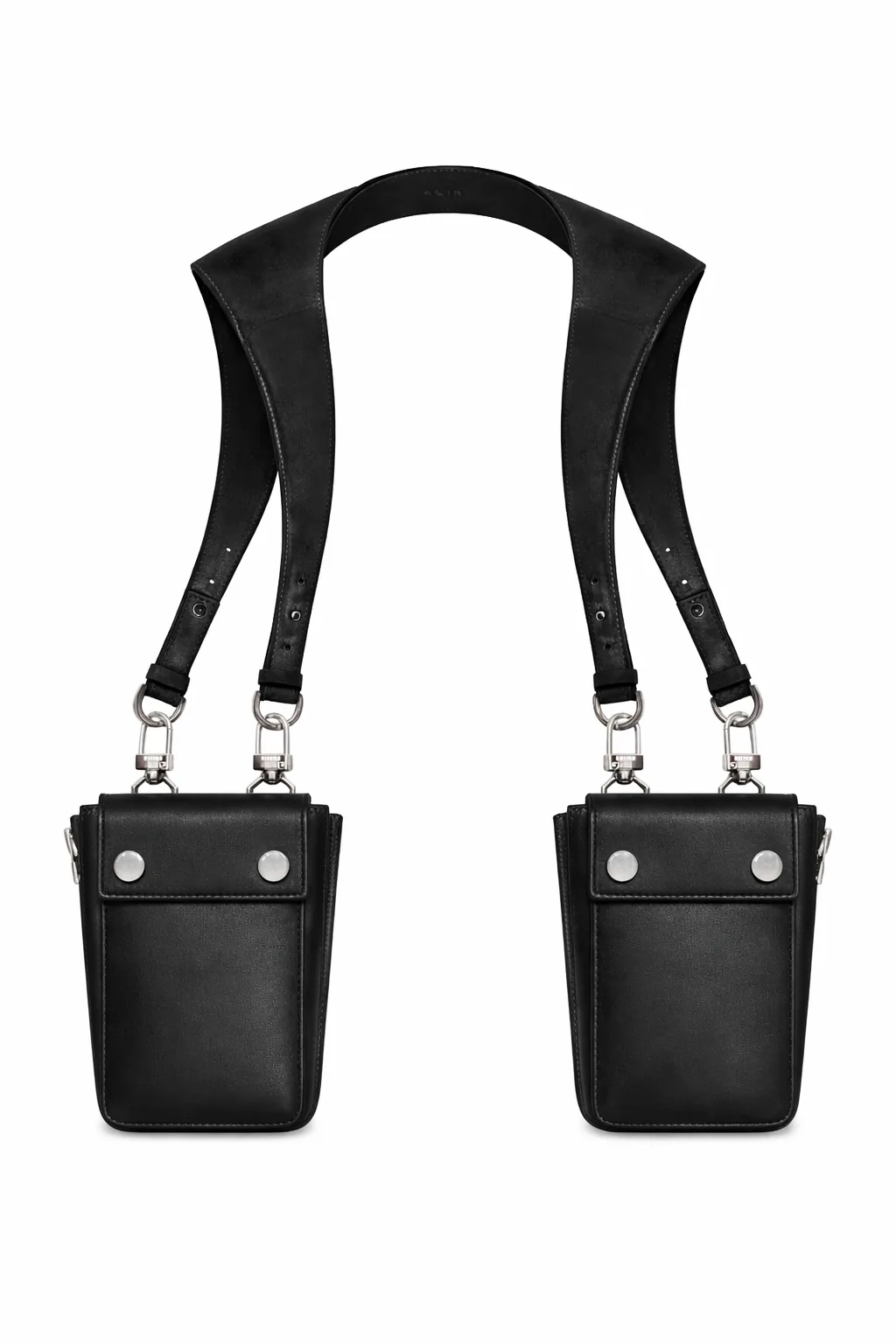
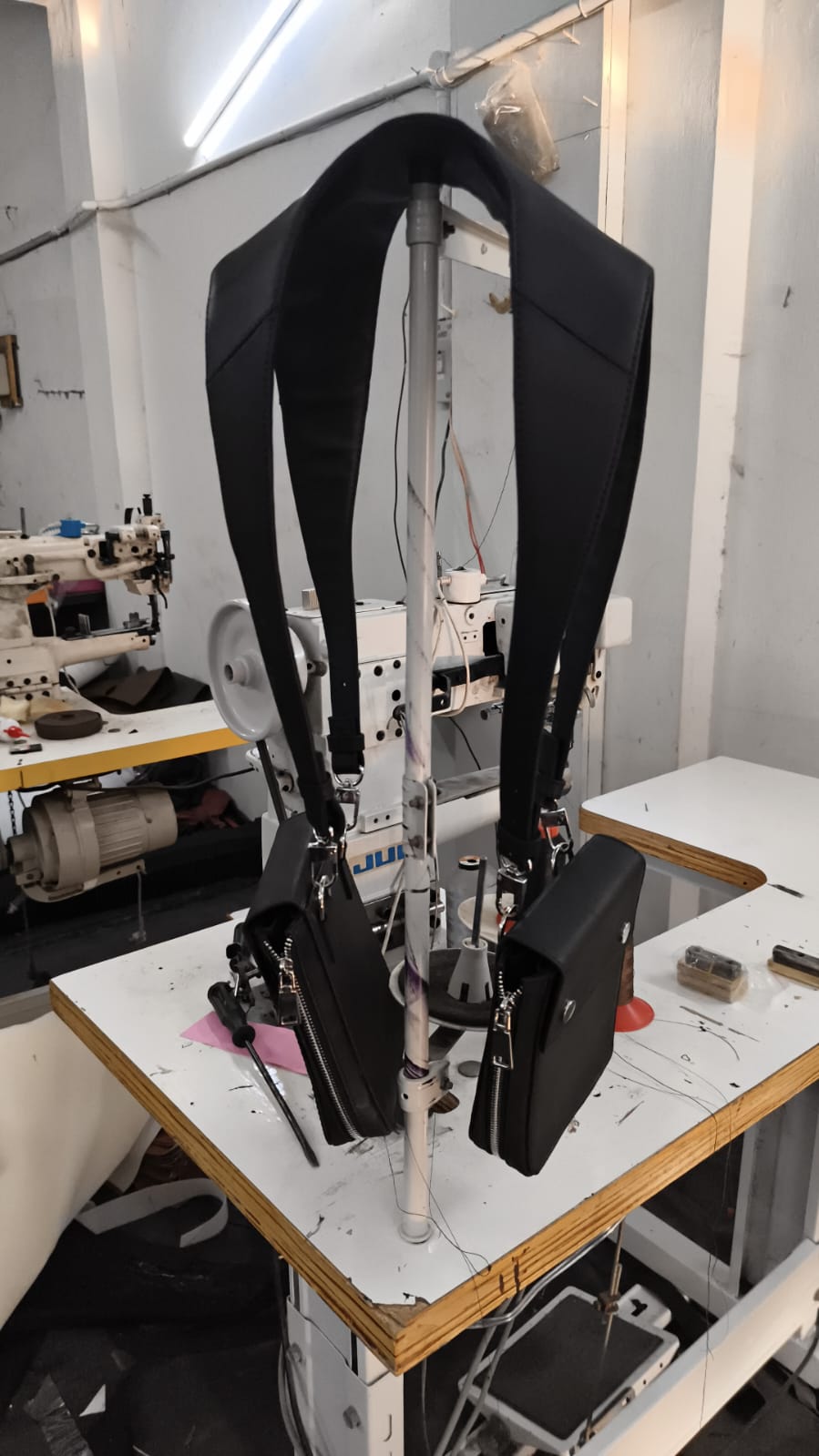
The first piece off the production line. Designed in Vancouver, made in South India. Lifetime warranty. Free worldwide shipping.
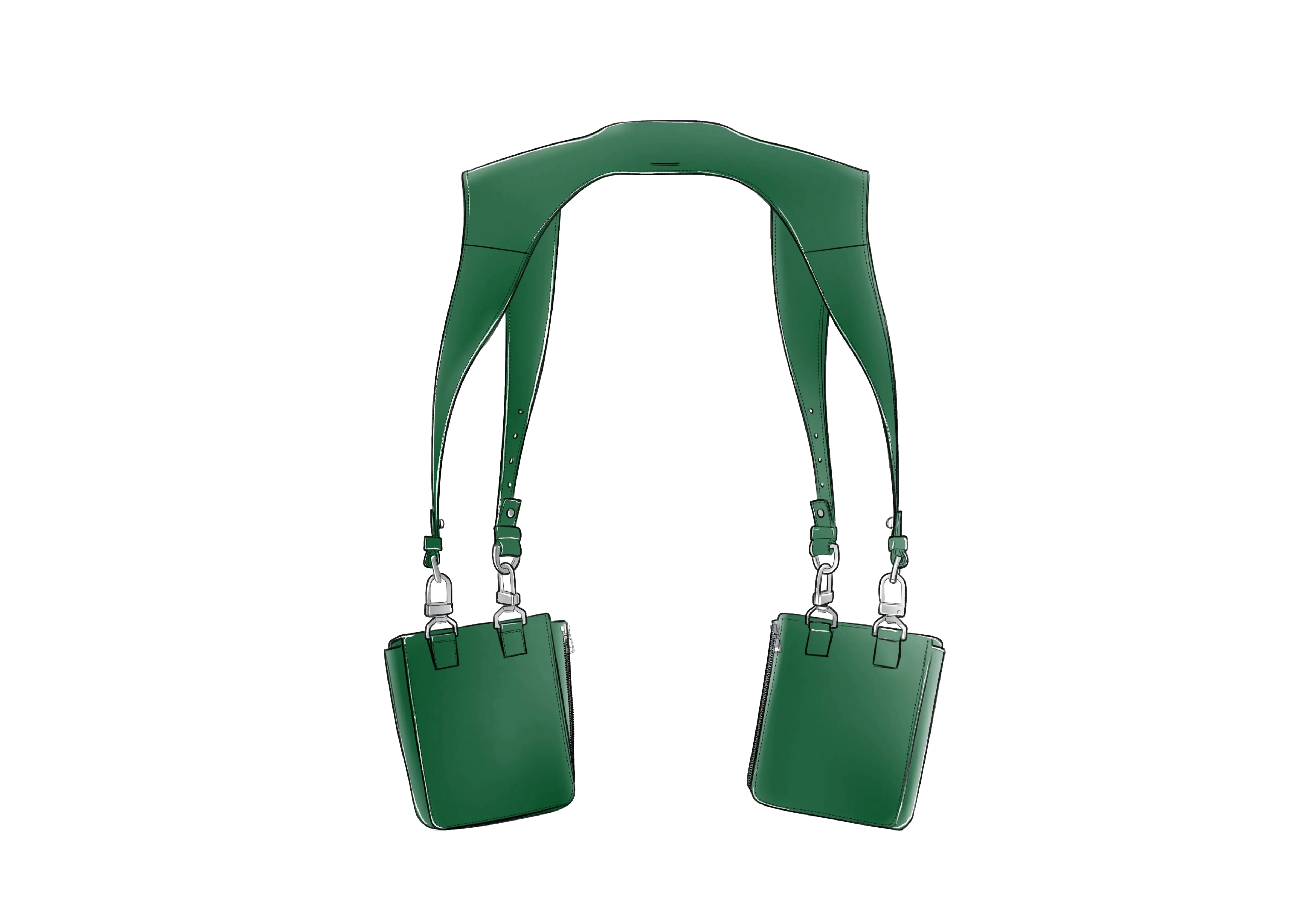
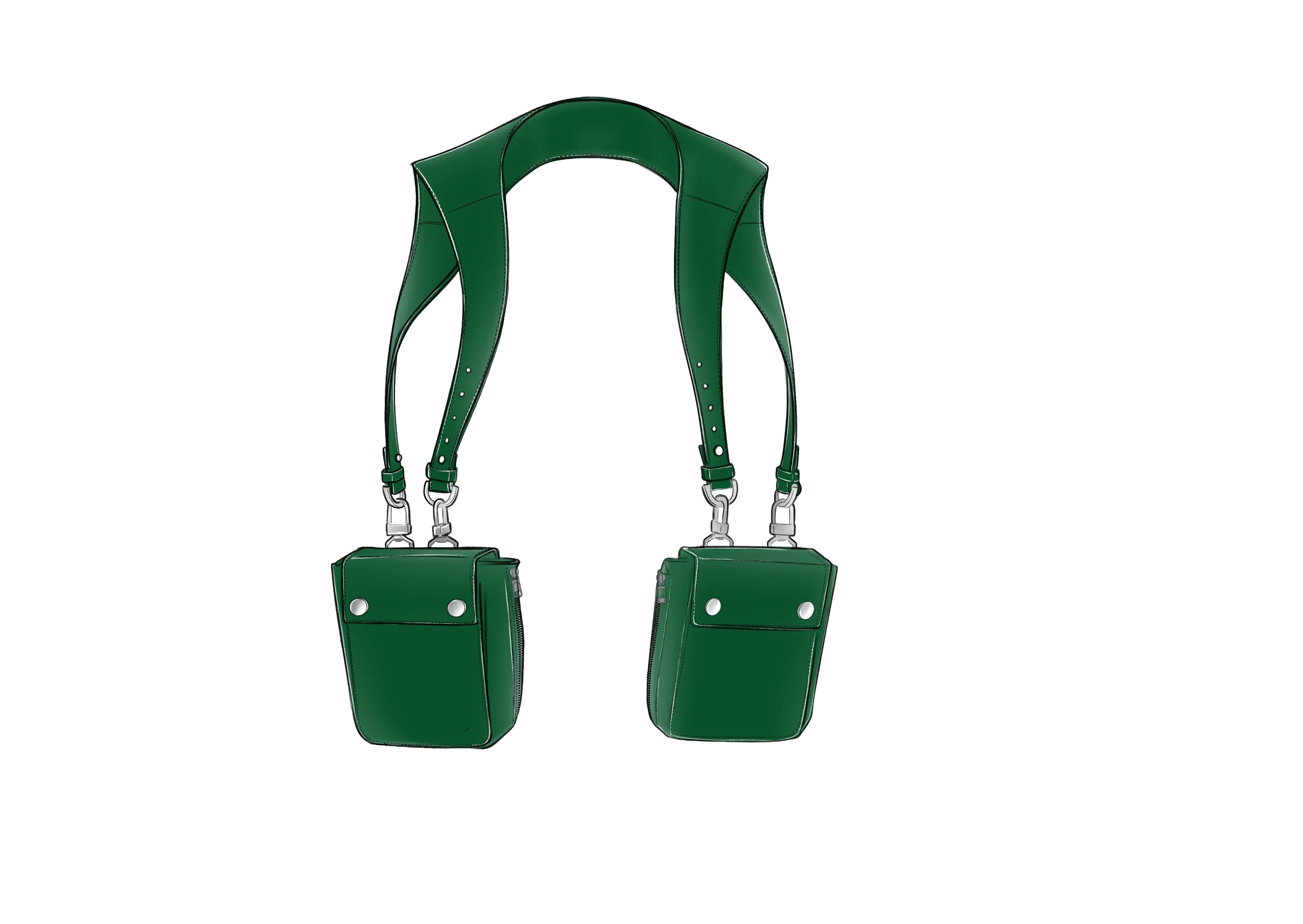
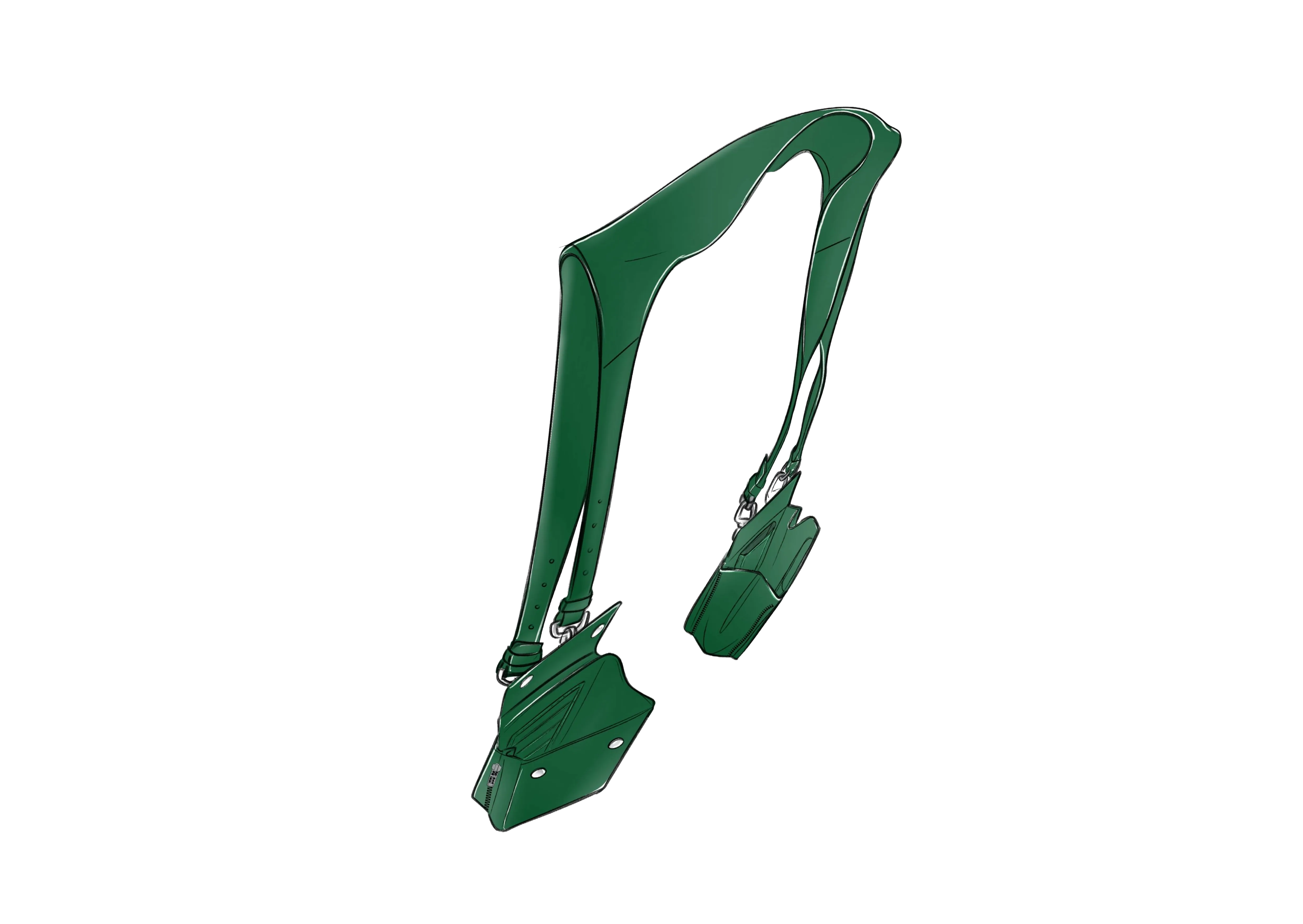
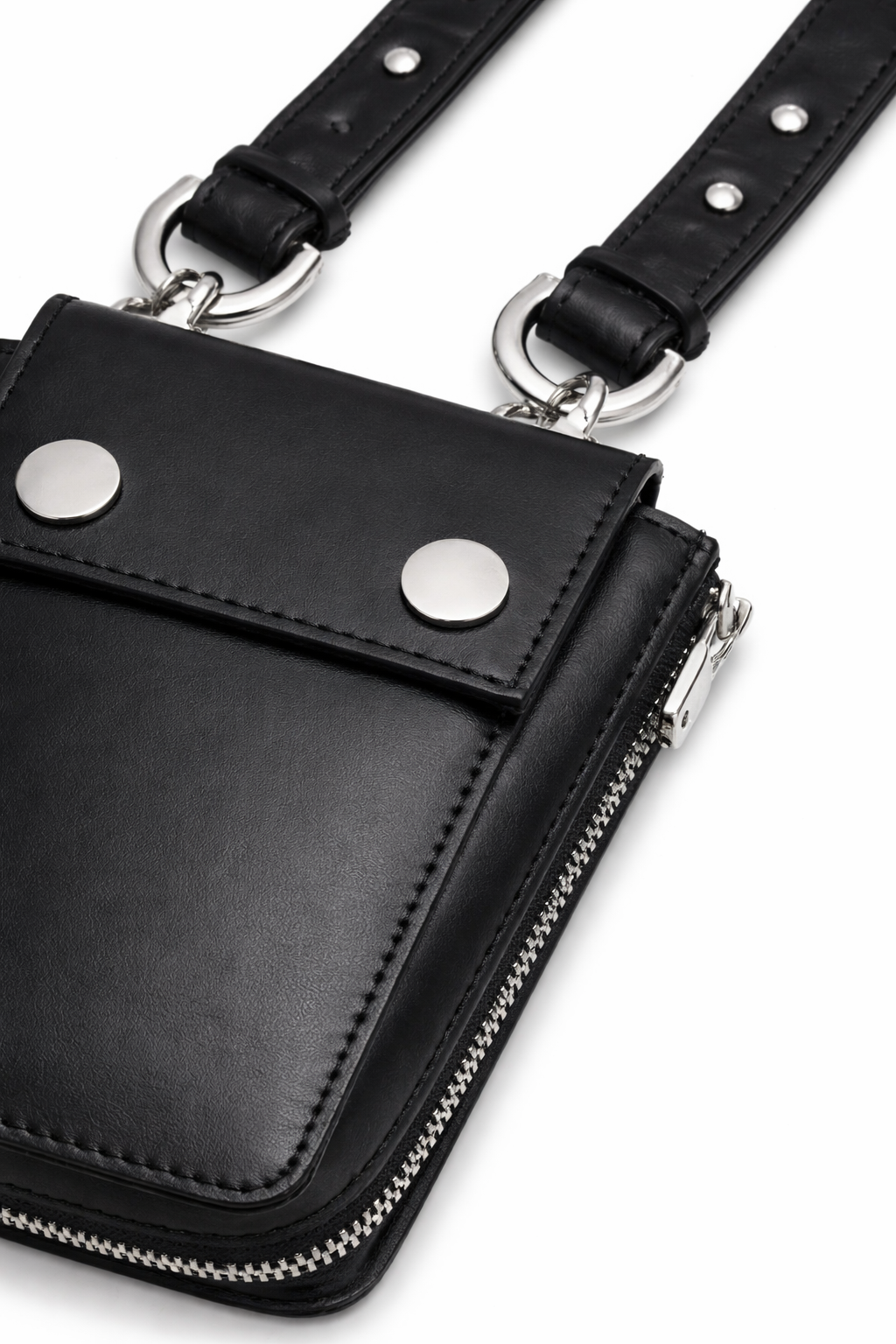
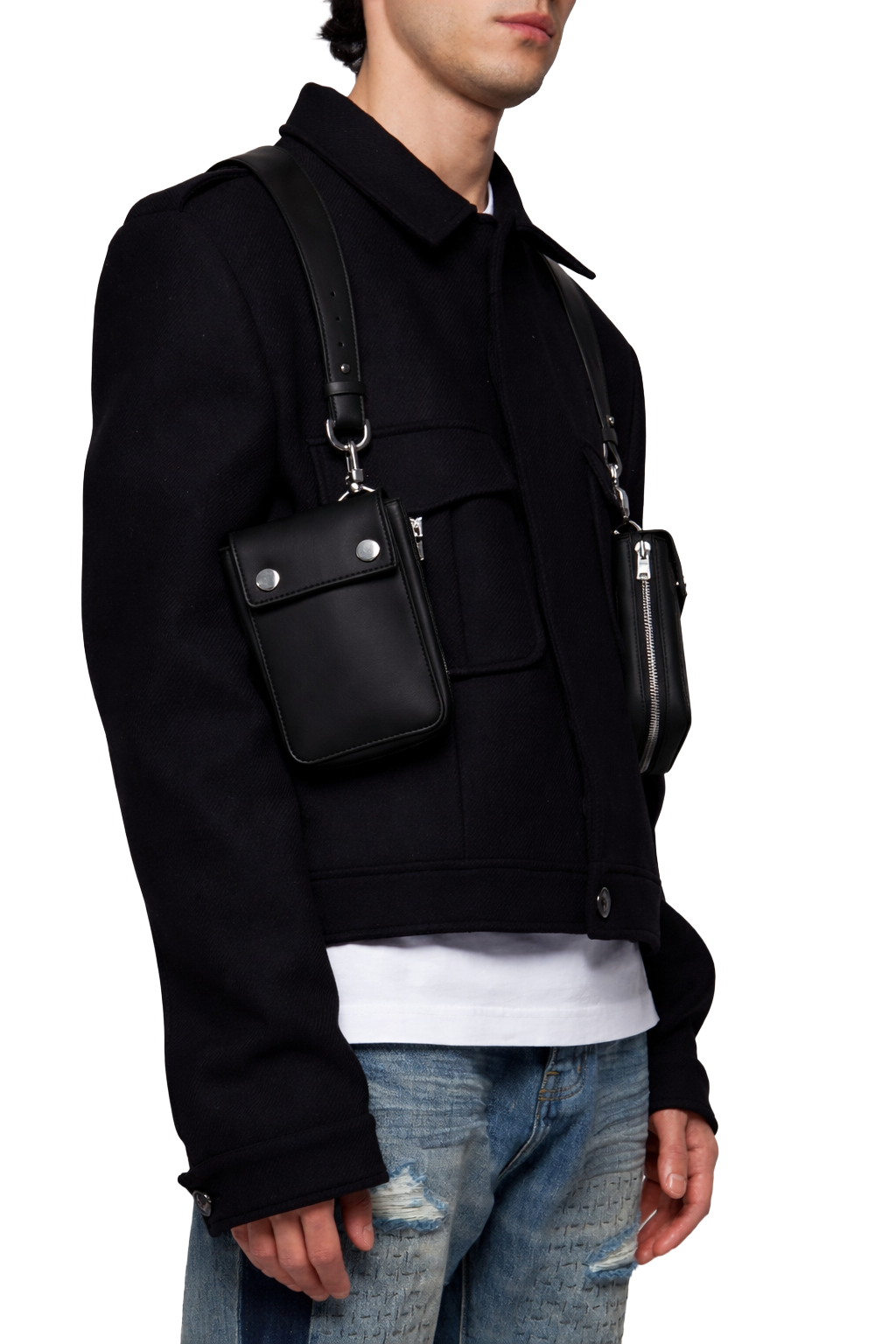
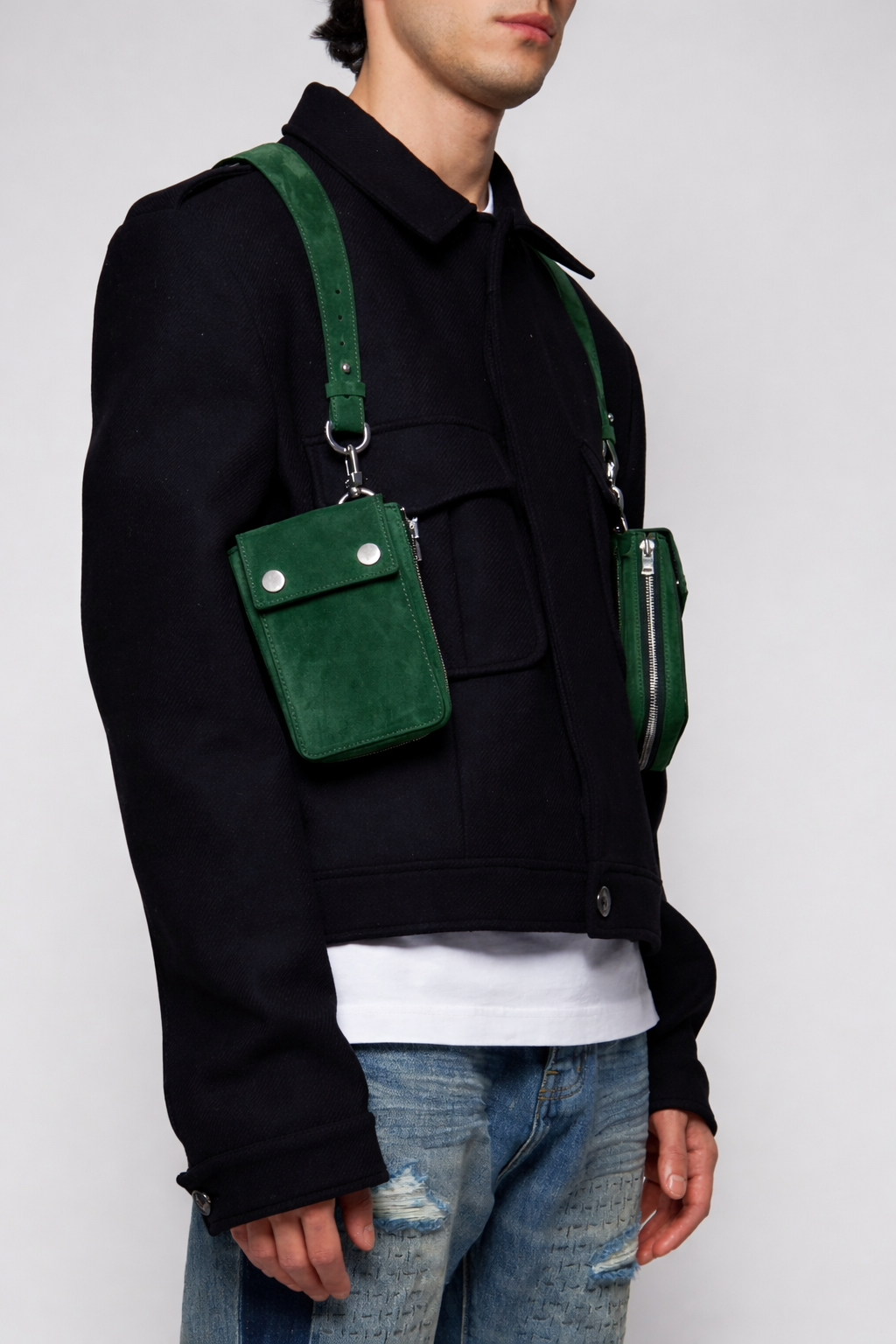
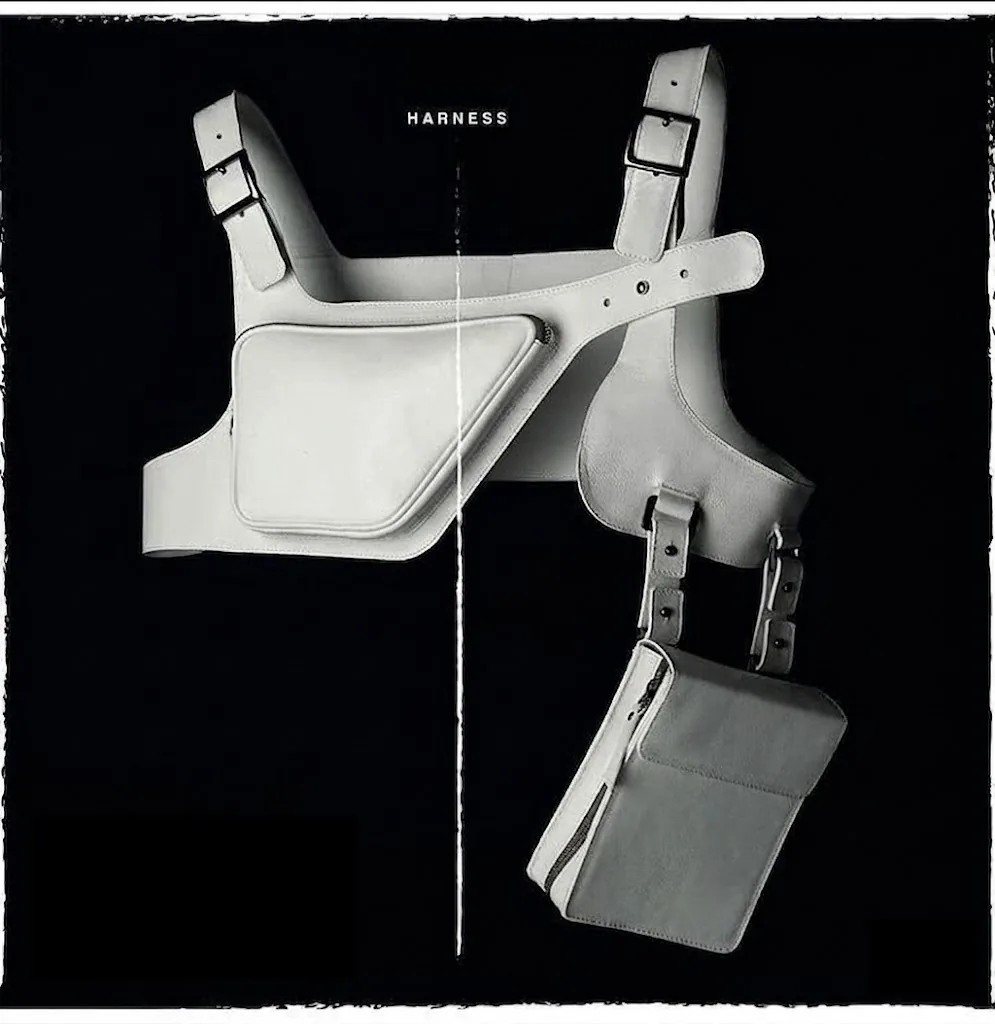
Shop the Harness Bag - $299